Your students make something real every week.
AI can write, draw, and code on request. What it can’t do is decide what’s worth making and see it through. In Kubrio, students ages 6 to 13 practice that in 52 short video courses and four studios: films, games, comics, and robots.
Four minutes on what students make, and why it matters
The film was made for parents. Everything in it is what your students use in class.
Read the transcript
Here's a question for every grown-up watching.
When AI can answer almost anything, what should kids be good at?
Knowing more answers? AI has those.
Following instructions? AI does that too.
Making things. Having an idea and turning it into something real.
That's the skill. And almost nobody is training it.
Kids spend years learning to give the right answer. Learn more. Follow the rules. Do it the right way.
But almost nobody asks them, what do you want to make?
Making is a muscle. Like any muscle, it grows with practice.
The kids who use it start early. With a home camera. A song in their bedroom. A first program on a school computer.
They didn't wait to be told. They started with what they had.
The future belongs to kids who make things.
So here's a place to train that muscle. Every course, every studio, is one more practice round.
Let me show you how it works, and what each part does for your kid.
It starts with Learn. Short courses, a few films each.
Here's one. Make a monster movie.
Lesson one: invent a monster nobody has ever seen. This one is Gub!
Every film shows one step, then says, your turn. The kid puts the screen down and makes it.
Some courses end on the table, not the screen.
Like this one. A paper airplane that flies far. Fold it, test it, fix it, fly it again.
Books, catapults, paper dolls. Things they make at home and hold in their hands.
Each course ends with a quick quiz and a sticker. And new courses arrive every week.
For you, it means you don't have to be the expert. The course teaches. You get to see what they make.
Then there are the studios. This is where an idea becomes something other kids can watch and play.
In the Animation Studio, Gub stars in an animated movie.
In the Game Studio, a game with levels they design.
In the Comic Studio, a comic, panel by panel.
And in the Robotics Studio, a robot they design, program, and test.
AI helps with the hard parts. The idea and the choices stay theirs.
For you, it means the screen is for making, not scrolling.
And then there's Explore. Movies, games, and comics made by other kids.
They watch, play, and send stickers to the kids who made them.
No like counts. Just kids cheering each other on.
And seeing what someone else made is often where the next idea starts.
And when they finish something, you can share it with family.
Remember the muscle? It grows one practice round at a time.
So here's the one habit that matters. Make one thing a week.
A movie. A comic. A paper airplane that flies too far.
One a week doesn't look like much. But it adds up to more than fifty things a year.
By the time they're teenagers, they've built two things.
The most important skill of the AI era: turning an idea into something real.
And a portfolio their future self will thank them for.
Want to start today? The first lesson of Make a monster movie is free.
Grab paper and a pencil, and meet Gub.
Make something every week.
Pick a skill. See what your students make.
Every course is a few short films with a hands-on step in each. Choose a skill to see the courses that teach it.
Students storyboard on paper, voice their characters, and cut a short film or trailer.
Leads into the Animation Studio.
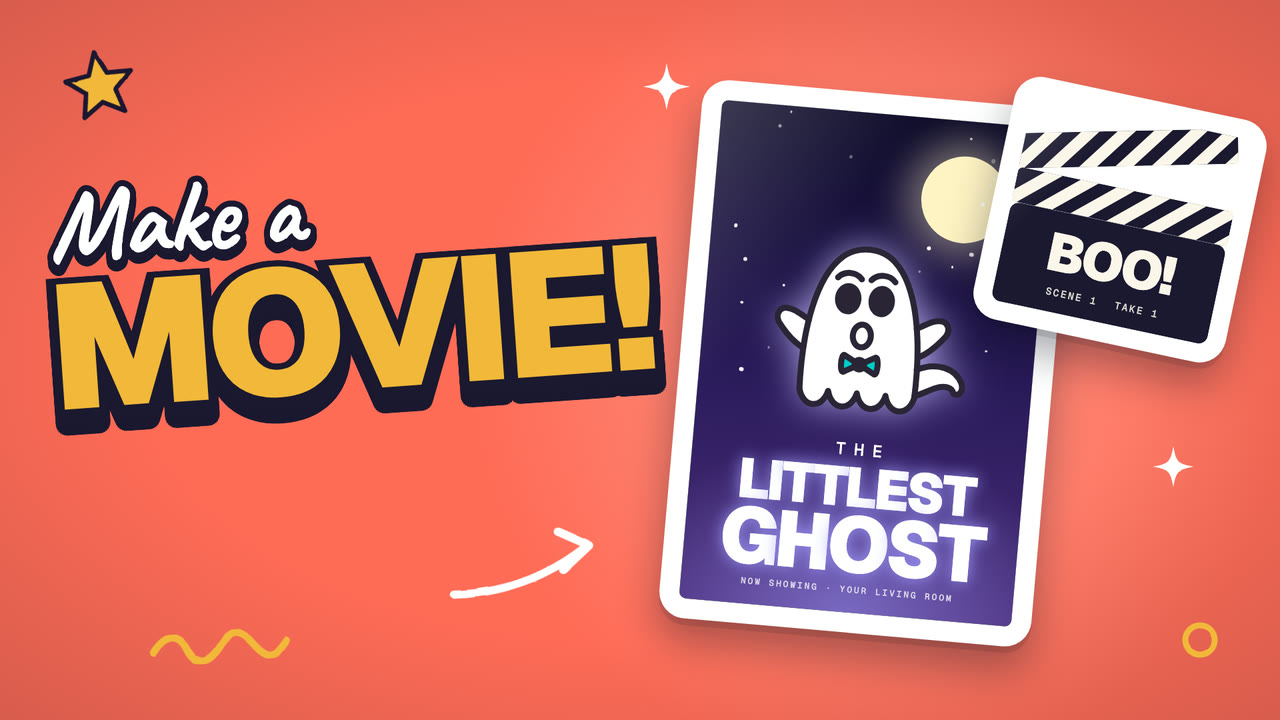
Make a movie
Students make: your own short film
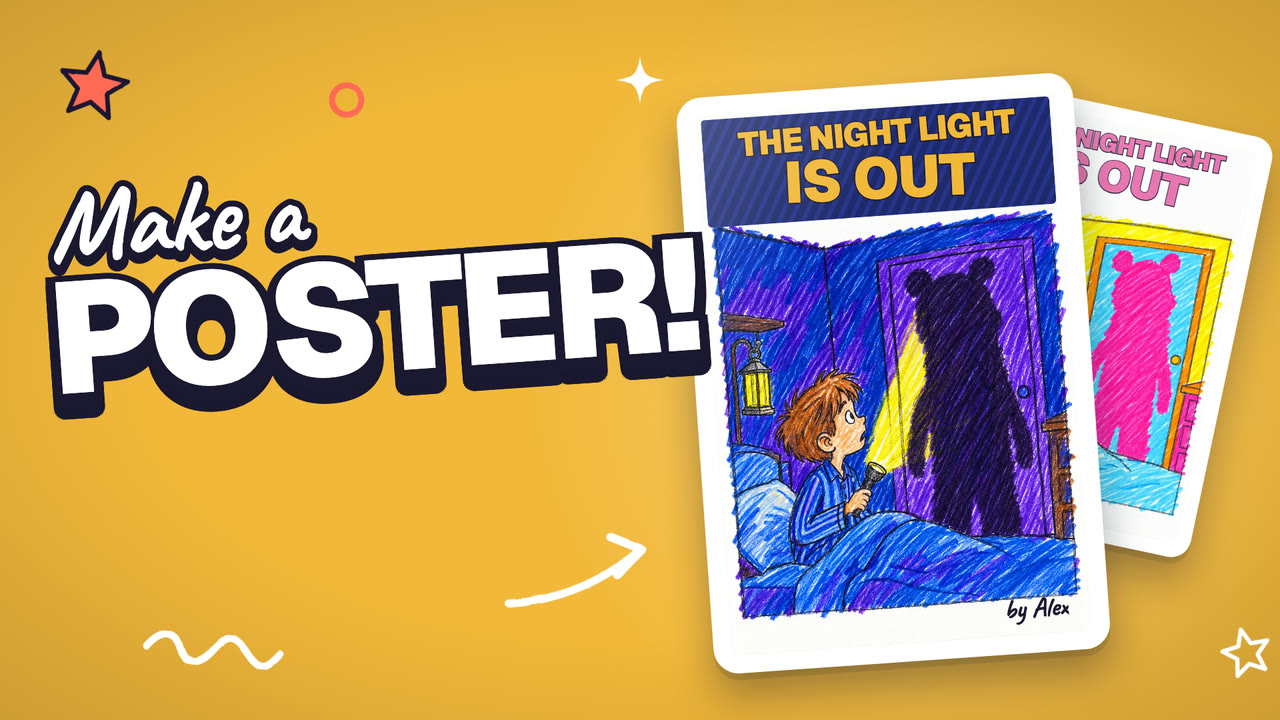
Make a poster people stop for
Students make: a poster for your film, game, or comic
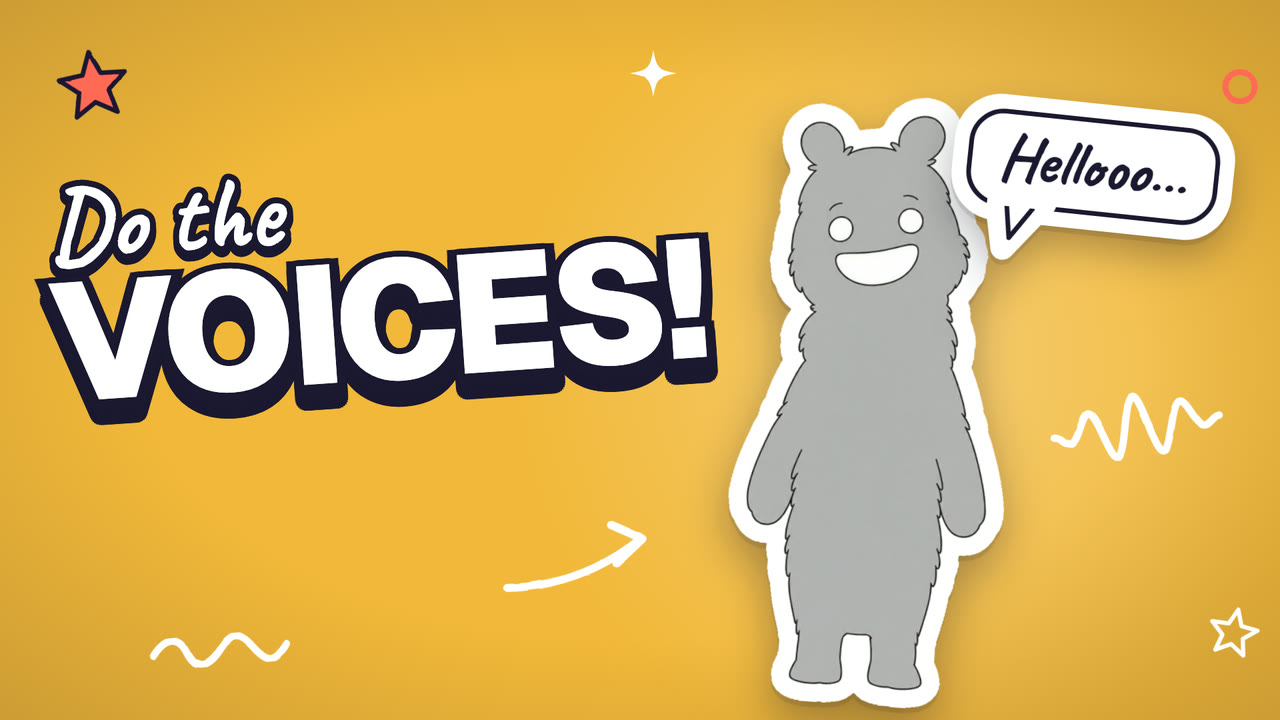
Give your characters a voice
Students make: your characters, in your voice
Make paper move
Students make: a flipbook that moves
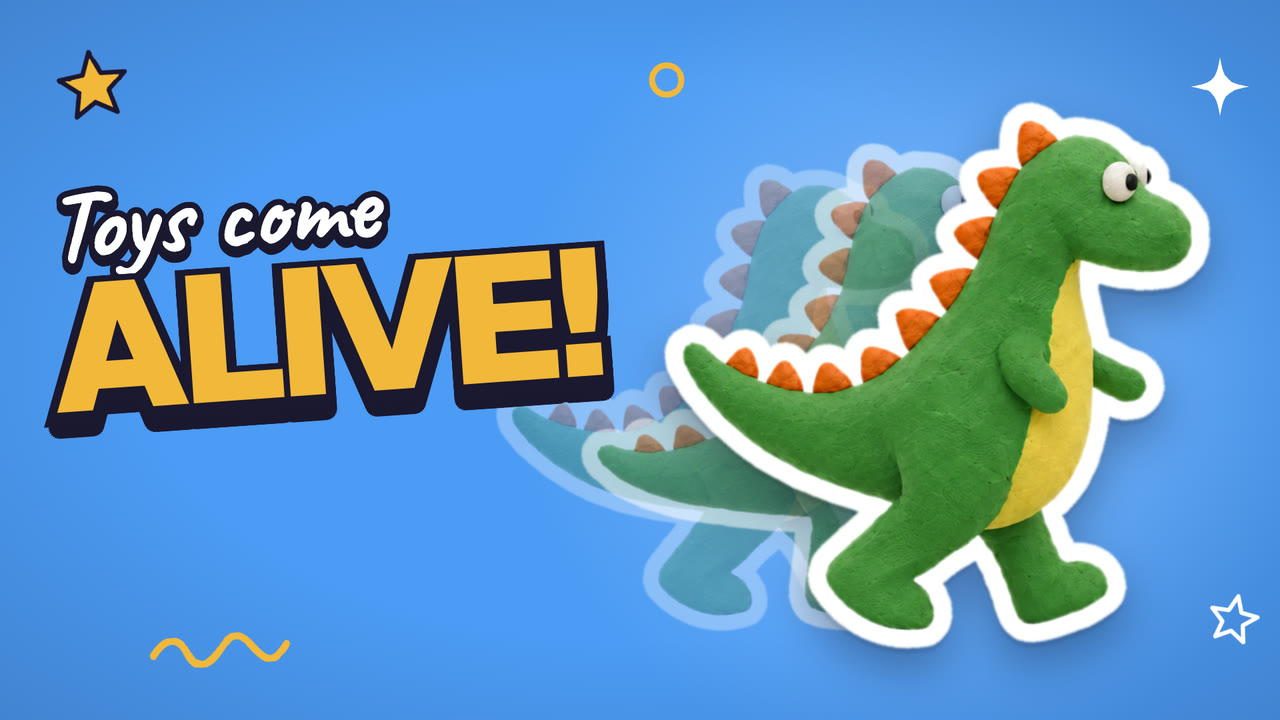
Bring your toys to life
Students make: a stop-motion film starring your toys
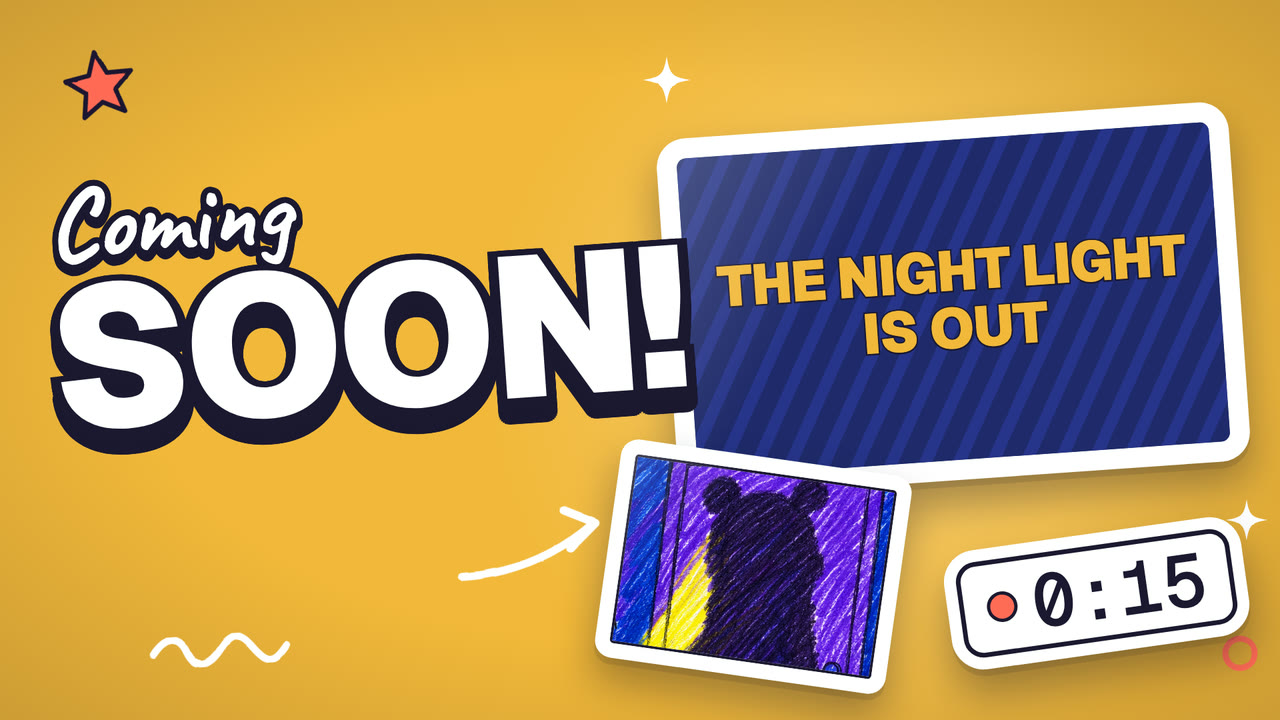
Make a trailer for your movie
Students make: a 15-second trailer
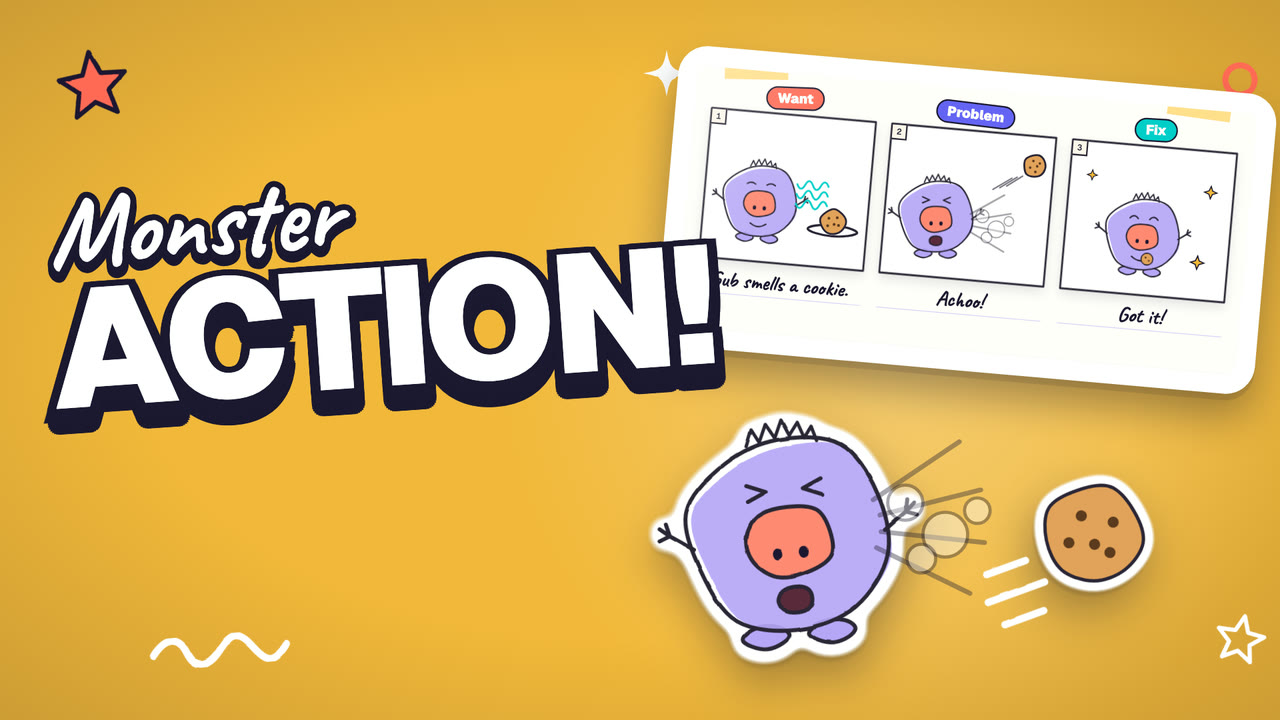
Your monster's big movie
Students make: a monster and its movie plan
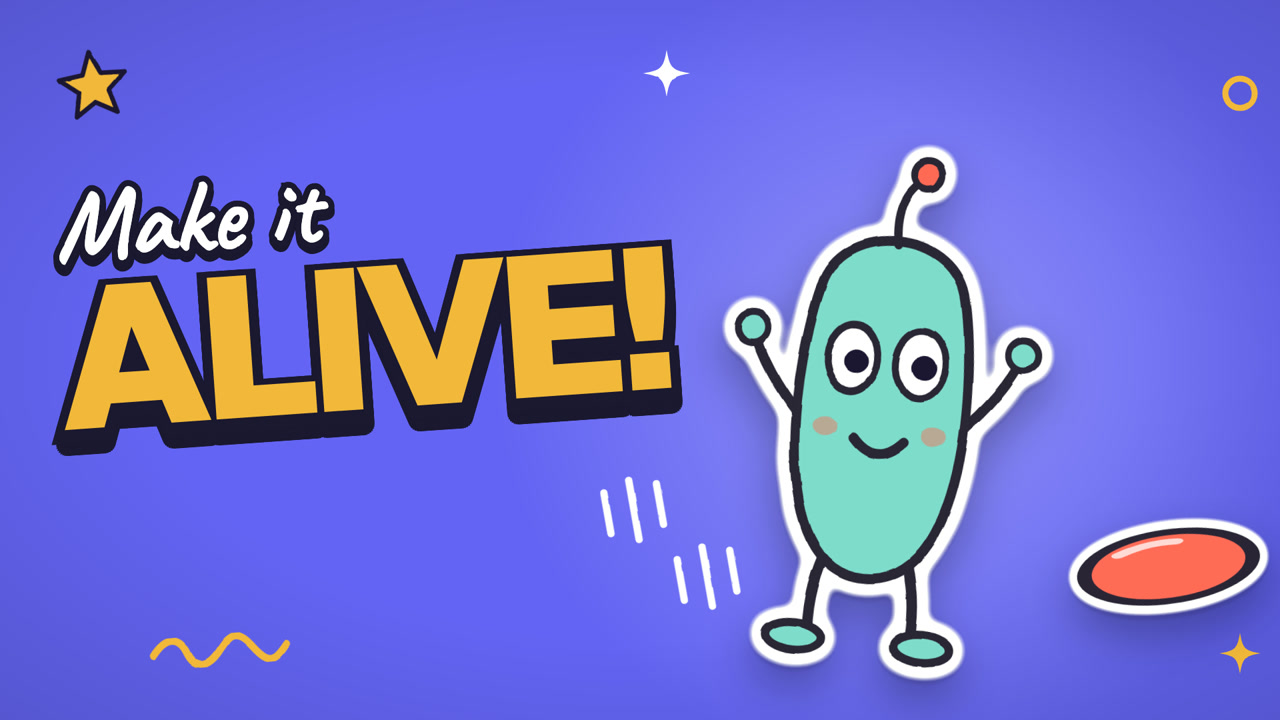
Make your drawings move
Students make: a drawing that moves like it's alive
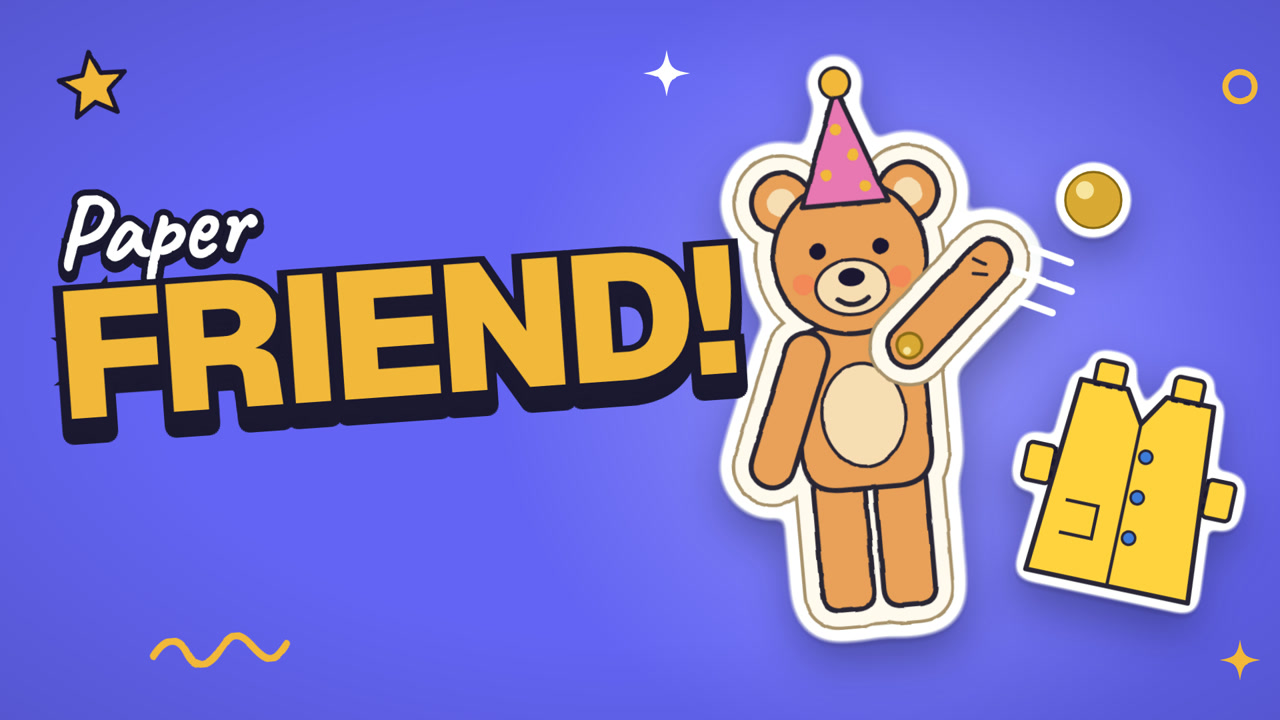
Paper friends
Students make: a paper doll that stands, waves, and changes clothes
Make it walk
Students make: a walk cycle that loops forever
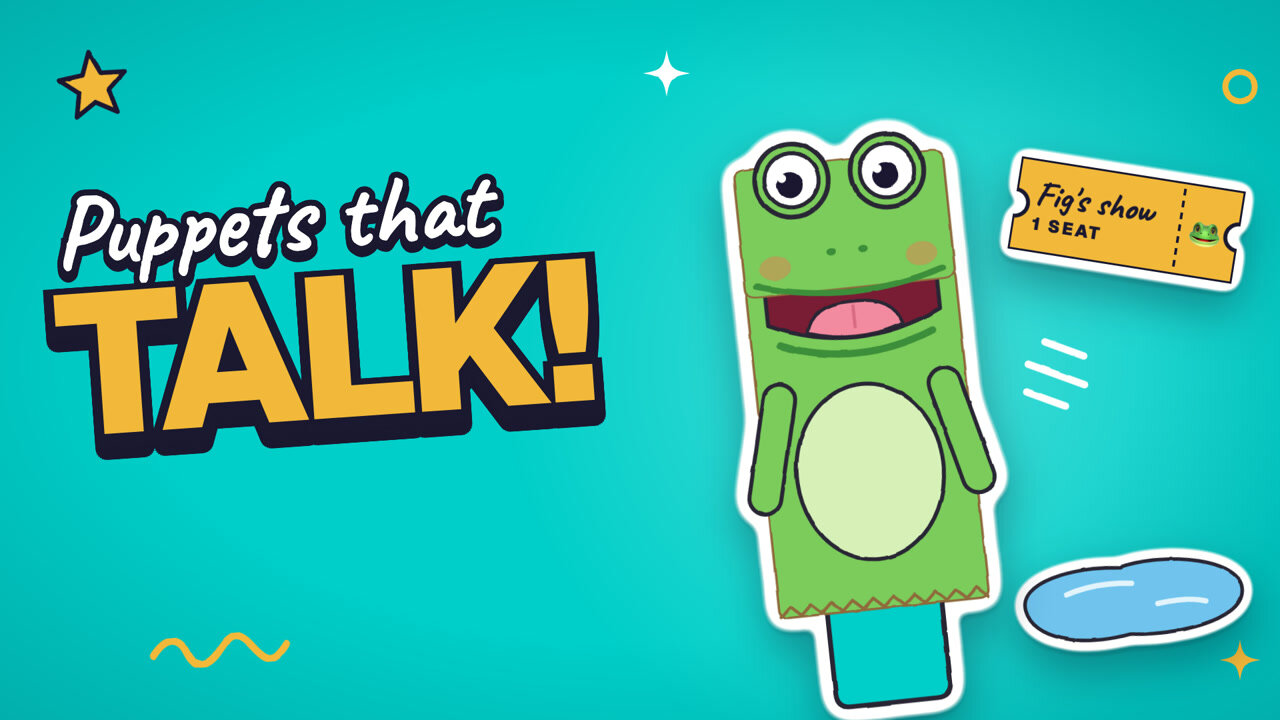
Puppets that talk back
Students make: a paper puppet that talks, and a one-minute show
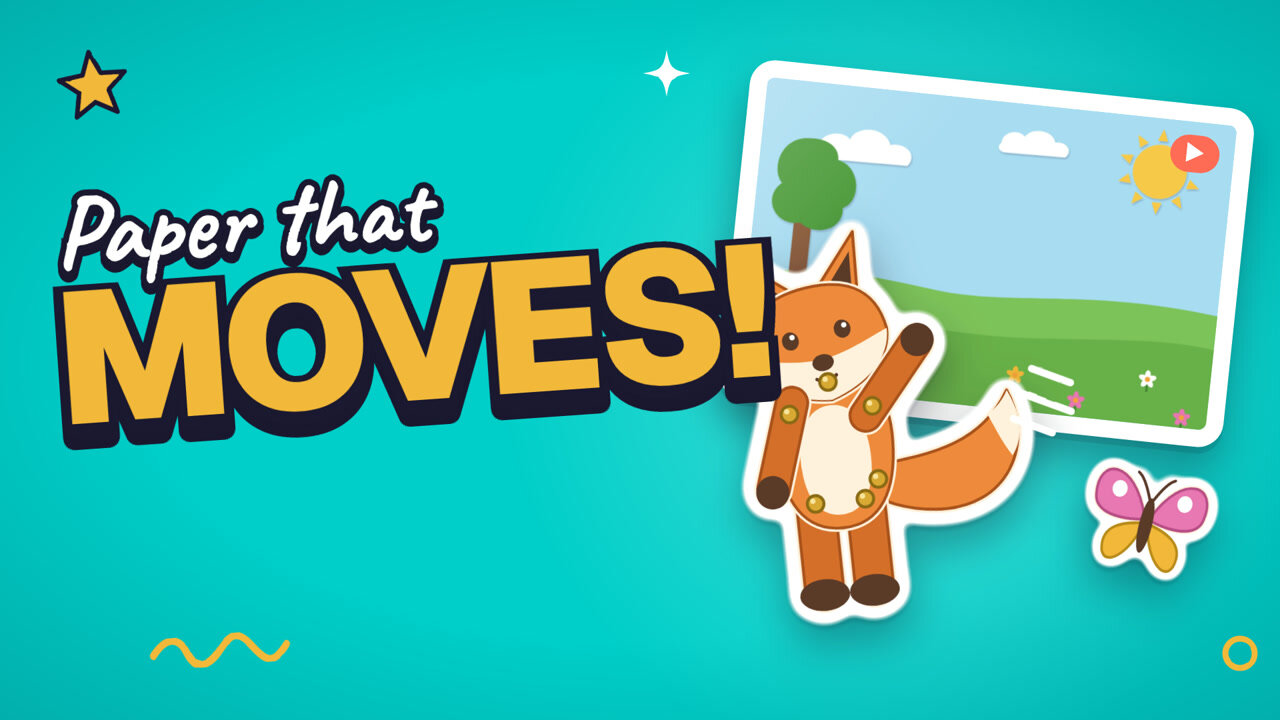
Paper that moves on its own
Students make: a cut-out stop-motion movie
See what kids made in the studios
Real films, games, comics, and robots, made by kids ages 6 to 13 and shared by their families.
One lesson, one thing made
Watch
A short film shows one step. It takes a few minutes, on the classroom screen or on each device.
Make it on paper
Students draw, plan, and build by hand first. Every film ends with a your-turn step.
Bring it to Kubrio
Students photograph their work and finish it in a studio: a film, a game, a comic, or a robot.
Show it
Students present what they made to the class, and take it home to show their family.

See Kubrio with the founder
Vlad Stan, founder of Kubrio, runs every school demo. Eight years designing learning experiences, and a tech founder for 30 years.
In 30 minutes, you see:
- The courses and studios, live, for the ages you teach.
- What a term looks like in your timetable.
- How student accounts, consent, and privacy work.
- A price for your school.
School pricing runs from $19 down to $8 per student a month. The more students, the lower the price.
Built for children from the start
Always
- Closed, guided projects. No open-ended chatbot.
- Everything a student makes belongs to their family.
- COPPA-safe by design. We draft the school consent paperwork for you.
- A named privacy contact who answers.
Never
- No ads and no ad targeting.
- No selling or sharing student data.
- No training AI models on your students' work or identity.
- No public student details. First name and age only, with consent.