36 Educational Activities for 6-13 Year Olds That Build Real Skills
Tired of educational apps that just quiz your kids or worksheets that produce nothing but busywork? You're in the right place. This guide is for parents seeking meaningful educational activities for 6-13 year olds that move beyond passive consumption and into a world where children make, ship, and reflect on their own creations. The goal here is to build agency, helping your child develop the independence and confidence to turn their ideas into tangible outcomes.
Forget the one-size-fits-all "edutainment" trap. This list provides a menu of projects designed to foster genuine skills like creativity, grit, and collaboration. We focus on activities where the output is a real artifact—something your child can hold, show, and improve upon. Whether it’s a hand-drawn map, a simple coded animation, or a recorded podcast episode, the process of creating something tangible is where deep learning happens.
We've organized these ideas into three distinct age bands to ensure every activity is both challenging and achievable. Choose one based on your child's interest and the time you have tonight.
- Ages 6–8: Focus on building, telling, and moving.
- Ages 9–11: Level up to prototyping, basic coding, and research.
- Ages 12–13: Tackle advanced projects involving pitching, editing, and collaborating.
Ages 6–8: Build, Tell, and Move
At this age, learning is physical and imaginative. Activities should focus on tangible creation and storytelling, turning abstract ideas into something kids can see and touch. The goal is to build foundational skills in a playful, low-stakes environment.
Build
-
Cardboard City Planner: Design and build a miniature city from recycled boxes.
- Output: A small-scale model of a neighborhood.
- Reflection: "What's one building you would add to make your city better for everyone?"
-
LEGO Marble Run: Construct a marble run with twists, turns, and drops.
- Output: A functional marble run that completes a full circuit.
- Reflection: "Where did the marble get stuck? How did you fix it?"
-
Nature Sculpture Artist: Collect leaves, sticks, and stones to create a temporary sculpture.
- Output: A photograph of the finished nature art.
- Reflection: "Why did you choose these materials for your sculpture?"
-
DIY Instrument Maker: Create a simple musical instrument from household items (e.g., rubber band guitar, rice shaker).
- Output: A playable instrument that makes at least two different sounds.
- Reflection: "What would you change to make a new sound?"
Tell
-
Stop-Motion Animator: Use toys and a phone camera to create a short stop-motion story.
- Output: A 15-second animated clip.
- Reflection: "What was the hardest part of telling a story without words?"
-
Comic Strip Creator: Draw a three-panel comic strip about a funny family moment.
- Output: A finished comic strip with pictures and speech bubbles.
- Reflection: "How did you show the character's feelings in your drawings?"
-
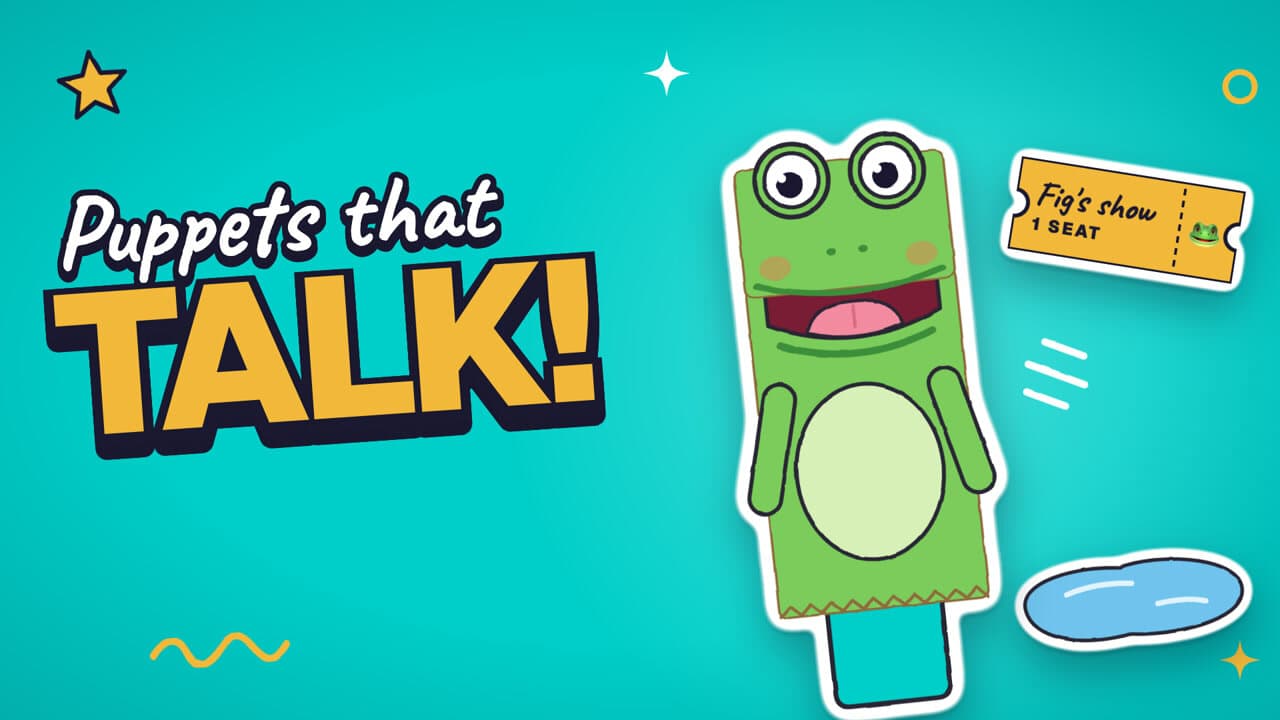
Puppet Show Producer: Make simple sock or paper bag puppets and perform a short show.
- Output: A one-minute recorded puppet show.
- Reflection: "If you did the show again, what would you change about the story?"
-
Story Map Illustrator: After reading a book, draw a map of the world where the story takes place.
- Output: A hand-drawn map with at least three key locations from the story.
- Reflection: "Which place on your map would you want to visit most?"
Move
-
Backyard Obstacle Course Designer: Use cushions, boxes, and toys to design a challenging obstacle course.
- Output: A map of the course and a timed run.
- Reflection: "Which obstacle was the trickiest? How could you make it easier or harder?"
-
Dance Choreographer: Create a 30-second dance routine to a favorite song.
- Output: A video of the final performance.
- Reflection: "What was your favorite move and why?"
-
Animal Action Game: Invent a game where players have to move like different animals (e.g., crab walk, frog jump).
- Output: A written or drawn set of rules for the game.
- Reflection: "Which animal was the funniest to pretend to be?"
-
Shadow Puppet Storyteller: Use a flashlight and your hands to tell a story with shadows on a wall.
- Output: A short, live shadow puppet performance.
- Reflection: "How many different animals could you make with your hands?"

Ages 9–11: Prototype, Code, and Research
Kids in this age group are ready for more complexity. They can handle multi-step projects, begin exploring digital tools, and start asking deeper "why" questions. These activities encourage iteration, systems thinking, and independent research.
Prototype
-
Simple Machine Inventor: Design and build a simple machine (lever, pulley) to solve a small problem, like lifting a toy.
- Output: A working prototype and a sketch of the design.
- Reflection: "What changed between your first idea and your final machine?"
-
Board Game Designer: Create a unique board game with custom rules, pieces, and a game board.
- Output: A playable board game prototype.
- Reflection: "After playing, what's one rule you would change to make the game more fun?"
-
Upcycled Fashion Designer: Create a new, wearable item from old clothes or fabric scraps.
- Output: A finished accessory or clothing item.
- Reflection: "What was the most challenging part of working with recycled materials?"
-
Mini Greenhouse Builder: Construct a small greenhouse from a plastic bottle to grow a seed.
- Output: A functional mini greenhouse and a log of plant growth.
- Reflection: "What does your plant need to grow? How does the greenhouse help?"
Code
-
Scratch Animation Coder: Use Scratch to code a short, interactive animation or story.
- Output: A shareable Scratch project link.
- Reflection: "Where did you get stuck in your code, and how did you fix it?"
-
Video Game Character Designer: Plan and draw a new video game character, including their backstory and special abilities.
- Output: A character design sheet with drawings and notes.
- Reflection: "How would this character's abilities change the way a game is played?"
-
Basic HTML Web Page Builder: Create a simple "About Me" webpage using basic HTML tags in a tool like Glitch or Replit.
- Output: A live webpage with a headline, a paragraph, and an image.
- Reflection: "What was surprising about how code turns into a website?"
-
Robot Dance Programmer: If you have a programmable robot (like a Sphero or Ozobot), code a synchronized dance routine.
- Output: A video of the robot's performance.
- Reflection: "How did you use loops in your code to make the dance repeat?"
Research
-
Family History Detective: Interview a family member about their childhood and create a short biography or timeline.
- Output: A one-page written summary or a visual timeline.
- Reflection: "What was the most surprising thing you learned?"
-
Neighborhood Scientist: Research a local plant or animal. Create a fact sheet about it.
- Output: An illustrated fact sheet with three key facts.
- Reflection: "What question do you still have about your plant/animal?"
-
Meal Planner and Chef: Research a simple recipe, write a shopping list, and help cook the meal.
- Output: A finished meal and a photo of the process.
- Reflection: "Which step in the recipe was most important for success?"
-
Favorite Topic Expert: Choose any topic (dinosaurs, space, ancient Egypt) and prepare a five-minute presentation for the family.
- Output: A short presentation with visual aids (drawings or a slideshow).
- Reflection: "What is the most interesting fact you want everyone to remember?"

Ages 12–13: Pitch, Edit, and Collaborate
Pre-teens can tackle projects that mirror real-world work. These activities involve planning, persuasive communication, and teamwork. The focus shifts toward producing a polished final product and reflecting on the process of collaboration.
Pitch
-
App Idea Prototyper: Sketch out an idea for a new mobile app, including its main features and target audience.
- Output: A three-page pitch deck with wireframe sketches.
- Reflection: "What's the #1 problem your app solves?"
-
Community Improvement Proposer: Identify a small problem in your neighborhood and write a one-page proposal to fix it.
- Output: A formal proposal outlining the problem and your solution.
- Reflection: "Who would you need to convince to make your idea happen?"
-
"One-Minute Movie" Director: Pitch, script, and film a 60-second movie on a phone.
- Output: A finished one-minute film.
- Reflection: "What was the hardest part about telling a story in only 60 seconds?"
-
Business Idea Creator: Develop a simple business idea (e.g., dog walking, craft sales) and create a basic flyer to advertise it.
- Output: A business flyer with service details and contact information.
- Reflection: "What makes your business idea different from others?"
Edit
-
Podcast Producer: Record and edit a short (3–5 minute) podcast episode about a hobby or interest.
- Output: An MP3 file of the finished episode.
- Reflection: "What did you cut out during editing, and why?"
-
Photo Editor: Take 10 photos of the same object from different angles and use a free tool (like Snapseed or Canva) to edit your best one.
- Output: A "before and after" comparison of your chosen photo.
- Reflection: "How did your editing choices change the mood of the photo?"
-
Family Video Editor: Collect short video clips from family members and edit them into a one-minute family highlight reel.
- Output: A finished video montage with music.
- Reflection: "How did you decide which clips to include and in what order?"
-
Peer Reviewer: Swap a piece of writing with a friend and provide constructive feedback using a "two stars and a wish" format (two things you liked, one thing you suggest changing).
- Output: A marked-up document with helpful feedback.
- Reflection: "Was it easier to give feedback or receive it? Why?"
Collaborate
-
Team-Based Game Designer: Work with a friend or sibling to co-design a new card game or sport.
- Output: A shared rulebook and a successful play-test.
- Reflection: "Where did you disagree during the design process, and how did you find a solution?" To introduce younger learners to the world of strategic play and engaging quests, exploring articles like "Easy to Learn Card Games for Your Next Grand Quest" can be a great starting point.
-
Group Research Project: With a partner, research a controversial topic and present both sides of the argument.
- Output: A 5-minute presentation that fairly represents multiple viewpoints.
- Reflection: "Did your own opinion change after researching the other side?"
-
Community Service Organizer: Plan a small community service project with friends, like a park clean-up or a food drive collection.
- Output: A completed project and a short summary of the results.
- Reflection: "What was the biggest challenge in organizing other people?"
-
Wikipedia Page Contributor: Find a topic you know well that has a basic Wikipedia page. Research a missing fact from a reliable source and add it as a citation.
- Output: A small, approved contribution to a live Wikipedia article.
- Reflection: "Why is it important for sources to be reliable?"
Turning Outputs into a Portfolio
One great activity is a good start. A series of them, documented over time, becomes proof of growth. A portfolio isn't about perfection; it’s a timeline of effort, iteration, and skill development. It helps kids see how far they've come and gives you a powerful way to understand their progress.
- Capture the Process: Take a quick photo of their first draft (v1) and their revised version (v2). A snapshot of a planning sketch is just as valuable as the finished product.
- Give Skill-Focused Feedback: Move beyond "good job." Use specific prompts.
- “I love how you changed your plan after testing the first time.”
- “Show me your favorite mistake and what it taught you.”
- Reflect on the Work: After a project, ask two simple questions.
- “What changed between your first version and your final one?”
- “Which step took the most effort, and what would you do differently next time?”
This rhythm of making, sharing, and reflecting is what builds agency. If you like this project-based approach but want it to be easier at home, Kubrio handles the planning and feedback so you can focus on building and reflecting together.
FAQ on Educational Activities
-
How do I adapt these for different ages or siblings? A: Focus on roles. For a LEGO project, a younger child can be the "materials finder" while the older one is the "lead architect." The key is a shared goal with age-appropriate responsibilities for each child.
-
What if we don't have the materials? A: Every project has a no-kit option. Instead of building a cardboard city, draw a detailed map. Instead of coding an animation, create a flipbook. The skill (planning, storytelling) is more important than the tool.
-
How do I keep my child from getting frustrated and giving up? A: Frame the project in small, 15-minute chunks. Celebrate the first version (v1) as a "successful draft," not a failure. Emphasize that professionals revise their work, so making changes is part of the real process.
-
How much should I help? A: Act as a project manager, not the creator. Help them break down the steps, ask questions to unstick them ("What could you try next?"), and manage the timeline. Let them own the creative decisions and the final output.