
10 Proven Strategies for Making Learning Fun at Home
Tired of the nightly homework battle? If your child's curiosity feels buried under passive, one-size-fits-all learning, you’re not alone. The goal isn't just to get through assignments; it's to give your child agency—the power to make, ship, and reflect on their own work. This guide offers ten practical strategies for making learning fun, turning any interest into a meaningful project you can start tonight.
Forget generic advice. Here you'll find concrete steps to help your child take ownership of their education, moving beyond worksheets to build confidence and skills for an AI-shaped future. These methods help transform screen time from consumption into creation and make learning an active adventure. For kids who struggle with traditional formats, finding the right engaging materials, like great books for reluctant readers, can be a game-changer.
1. Turn Learning into a Quest with Gamification
Gamification isn't about more screen time; it’s about applying smart game-design principles to make learning active and engaging. By incorporating elements like progress bars, challenges, and meaningful rewards, you tap into a child's natural drive for mastery. This transforms learning from a passive chore into an active quest, reframing the conversation from "Is it done?" to "What's your next move?" This simple shift builds momentum and resilience, turning mistakes into opportunities to try a new strategy.
 Caption: A child's hand-drawn game board transforms a math review into a quest, showing how gamification turns abstract concepts into tangible progress.
This approach is powerful for making abstract concepts feel exciting. For instance, an engaging Dungeons and Dragons starter set can transform lessons into thrilling quests, encouraging imaginative problem-solving and collaboration.
How to Implement It Tonight
- Set a Mini-Quest: Frame a task as a challenge. "Your mission: solve five math problems to unlock 15 minutes of free build time."
- Visualize Progress: Use a simple chart or a path on a whiteboard to show how far your child has come. This visual feedback is highly motivating.
- Offer Meaningful Rewards: Rewards don't have to be material. They can be choosing the next family movie or extra time for a favorite hobby.
- Start Simple: Begin with a single element, like a points system for completing reading chapters, before adding more complex features like badges or levels.
2. Project-Based Learning (PBL)
Project-Based Learning (PBL) shifts the focus from memorizing facts to investigating real-world challenges. Instead of worksheets, kids tackle a complex question over time, creating a tangible product or presentation. This method makes learning relevant by connecting academic concepts to authentic problems, answering the common question, "Why do I need to learn this?" It builds a child’s agency as they own their learning journey from question to creation.
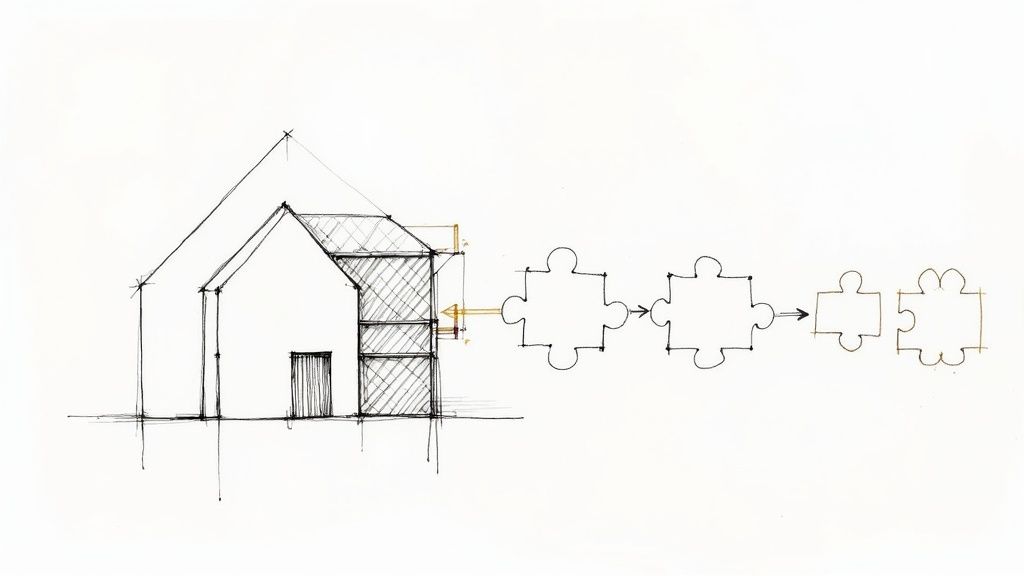
PBL transforms children from passive consumers of information into active creators. For example, a child might design a small-scale community garden to learn about biology and resource management. These hands-on experiences make the process of making learning fun both engaging and impactful. If you want to explore this method more deeply, you can learn more about Project-Based Learning (PBL).
How to Implement It This Weekend
- Start with a Compelling Question: Frame the project around a question that sparks curiosity, such as "How can we design a better bird feeder for our backyard?"
- Scaffold with Checkpoints: Break the project into smaller, manageable steps. This helps maintain momentum and provides opportunities for feedback.
- Allow for Revision: Encourage a process of drafting, getting feedback, and iterating. Use parent scripts like, "Show me v1. What will you change in v2?"
- Share the Final Product: The artifact—the bird feeder—can be shared with family or documented in a photo, providing a sense of accomplishment.
3. Interactive Technology and Digital Tools
Interactive technology can transform learning from passive consumption into an active, hands-on experience. Instead of simply reading, kids engage directly with digital apps and platforms that offer immediate feedback and personalized challenges. This approach moves beyond the one-size-fits-all model, allowing a child to explore complex topics like coding or virtual science labs at their own pace, making learning fun and deeply personal.

The key is to focus on creation over consumption. A tool like Scratch makes the abstract logic of coding tangible and creative. By prioritizing tools that empower children to build something, you help them develop skills for an AI-shaped future and turn screen time into a productive outlet for curiosity. This builds agency.
How to Implement It Tonight
- Focus on Creation: Choose tools that empower your child to build something, whether it's a simple animation in Scratch or a video response on Flipgrid.
- Align Tools with Learning Goals: For interactive study, Quizlet is great; for virtual experiments, a platform like Labster offers a safe environment.
- Balance with Offline Activities: Use digital tools as a springboard for real-world projects. A virtual tour of a museum could inspire a drawing or a research project.
- Set Clear Boundaries: Have open conversations about responsible and safe online behavior, establishing clear guidelines and time boxes from the start.
4. Storytelling and Narrative-Based Learning
Humans are wired for stories. Narrative-based learning taps into this by framing lessons within a compelling plot. This approach transforms abstract facts into concrete, memorable events. Instead of memorizing a list of historical dates, a child follows a character through that time period, creating an emotional connection that cements the information far more effectively than rote learning.
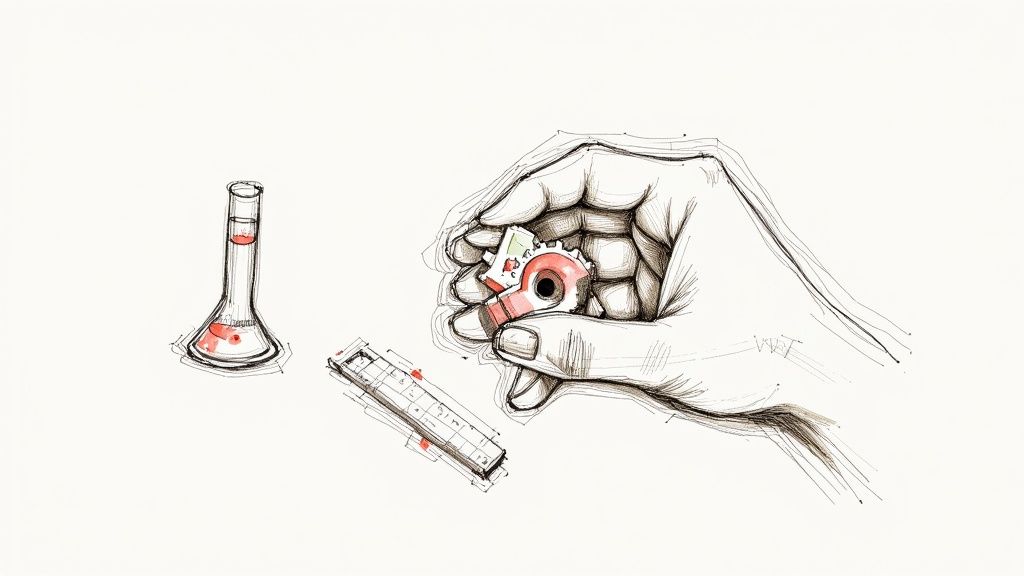
This method is incredibly effective for making learning fun because it adds context and meaning. A math word problem becomes a mini-adventure, and a science lesson is the story of a breakthrough discovery. By embedding educational content within a narrative, you engage a child's imagination, shifting the focus from "What do I need to know?" to "What happens next?"
How to Implement It Tonight
- Build a Simple Story Arc: Frame a lesson as a quest. "A brave mathematician must solve three riddles (problems) to find the hidden treasure."
- Use Relatable Characters: Create characters your child can connect with. Their struggles and successes make the learning journey more personal.
- Encourage Creation: Ask your child to create their own stories based on what they're learning. They could write a comic about a historical event.
- Connect to Their Experiences: Weave elements of your child’s own life and interests into the narrative to make the content more relevant.
5. Hands-On Learning and Experiential Education
Hands-on learning emphasizes direct experience and tangible output. Kids dive into experiments, build models, or cook, making abstract concepts concrete. This kinesthetic approach is key to making learning fun and boosting long-term retention.
Kubrio is a family-driven learning platform that uses AI to turn your child’s interests into step-by-step quests with feedback and a living portfolio.
By tapping into DIY projects like LEGO builds or kitchen chemistry, you foster agency, spark curiosity, and encourage iteration. When children see their work, they take pride and internalize concepts more deeply.
How to Implement It Tonight
- Pick a Spark: “Because you like volcanoes…” then design a baking soda eruption.
- Name the Goal: Tie it to a skill like research or systems thinking.
- Set Constraints: Time: 20 min • Materials: baking soda, vinegar, bottle • Safety: adult nearby for cleanup • No-kit option: draw a diagram of a volcano instead.
- Draft 3–5 Steps: Use action verbs like measure, mix, pour.
- Give Feedback: Use prompts like, “What changed between v1 and v2?” and “Where did you get stuck?”
- Capture the Artifact: Take a photo of the "eruption" for their portfolio.
6. Social Learning and Collaborative Activities
Learning is an inherently social process. Collaborative activities leverage peer interaction to build understanding. When children work together, they learn to articulate ideas, defend their reasoning, and see problems from multiple perspectives. This approach turns learning into a shared mission, fostering communication and teamwork.
This method mirrors how real-world problems are solved: through collaboration and shared effort. Whether it's a sibling science project or a group writing activity, these activities make learning dynamic and interactive. You can learn more about how Kubrio is building the future of social learning online, making collaboration a core part of the learning journey.
How to Implement It This Weekend
- Assign Specific Roles: Give each child a clear job within the group, such as "Researcher," "Builder," or "Presenter," to ensure everyone contributes.
- Teach Collaboration Skills: Explicitly teach them how to listen, offer constructive feedback, and reach a consensus.
- Vary the Groups: Regularly mix up group compositions to expose children to different working styles and perspectives.
- Include Individual Accountability: Ensure each member is responsible for a specific part of the outcome to prevent social loafing.
7. Choice and Personalization
Giving your child a say in what and how they learn boosts engagement and ownership. Choice transforms learning from a top-down directive into a collaborative partnership. When kids feel their interests are valued, they become active participants, making the learning process more relevant and motivating. This shift builds agency and shows them their voice matters.
This approach is key for making learning fun because it connects academic goals to a child's genuine passions. For instance, instead of a generic book report, a choice board might offer options like creating a comic strip or recording a podcast review. Kubrio is a family-driven learning platform that uses AI to turn your child’s interests into step-by-step quests with feedback and a living portfolio.
How to Implement It Tonight
- Provide Structured Choices: Offer a curated menu of options that all meet the core learning objective. This prevents overwhelm while still empowering your child.
- Use 'Must-Do' and 'May-Do' Lists: Ensure essential tasks are completed ('must-do') while giving freedom to explore preferred activities ('may-do').
- Start with Small Decisions: Let them choose the order of tasks or the topic for a small project. Build on this as they become more confident.
- Visualize the Options: Create a simple chart or a tic-tac-toe board. Seeing the choices laid out makes them feel more tangible and exciting.
8. Movement and Brain Breaks
Incorporating physical activity into learning is a strategic way to boost brain function. Brain breaks and movement reset a child's focus, reduce stress, and improve their ability to retain information. This approach challenges the passive, sit-still model of learning by acknowledging that our brains and bodies are connected.
This method transforms sedentary study sessions into dynamic experiences. A quick dance break between math problems or acting out vocabulary words can re-energize a session, making abstract concepts more memorable.
How to Implement It Tonight
- Schedule Breaks Strategically: Introduce a 3-5 minute movement break before focus starts to fade. This proactive approach maintains momentum.
- Integrate Learning into Movement: Turn review into a "gallery walk," where answers are posted around the room, or conduct a scavenger hunt for science concepts.
- Offer Diverse Options: Provide choices like simple stretches, a few yoga poses, or a quiet walk for children who may prefer calmer resets.
- Establish Clear Transitions: Use a consistent signal, like a timer or a specific song, to mark the beginning and end of a brain break.
9. Inject Humor and Playfulness
Laughter is a powerful tool for learning. Integrating humor and play into educational activities lowers stress and creates a positive environment where kids feel safe to make mistakes. This approach moves beyond the worksheet-driven model by making complex topics more approachable and memorable. When a child is laughing, their brain is more receptive to new information.
This method is perfect for breaking down intimidating subjects. Using silly mnemonics to remember spelling rules or telling math-related puns turns potential frustration into fun. Play is not just a break from learning; it’s a core component of how children naturally process the world.
How to Implement It Tonight
- Keep it Relevant: Weave humor directly into the content. Use funny examples to explain a scientific concept.
- Encourage Participation: Invite your child to create their own jokes or puns related to what they’re studying. This gives them agency.
- Use Funny Voices or Characters: Narrate a history lesson from the perspective of a comical character to make it more engaging.
- Balance Levity and Learning: Ensure the humor supports the educational goal rather than distracting from it.
10. Real-World Connections and Authentic Audiences
Learning gains momentum when it connects to tangible, real-world outcomes. Instead of creating work just for a parent, this approach encourages children to produce things for an authentic audience. This shift transforms an assignment into a meaningful contribution, answering the "why are we learning this?" question. This is key for making learning fun because it provides a genuine sense of purpose.
When a child writes a letter to a local official about improving a park or publishes their research on a blog for other kids, the stakes feel real. They learn that their voice and skills have value. This gives their work a genuine audience and purpose.
How to Implement It This Weekend
- Identify an Audience: Before starting a project, ask, "Who else would find this interesting or useful?" This could be grandparents, a local business, or an online community.
- Start Small: Begin with a simple project, like creating a how-to guide for a younger sibling or writing a review for a favorite book to share with friends.
- Connect with Professionals: Use tools like Skype a Scientist to connect your child with experts who use these skills daily.
- Leverage Community Projects: Engage in local initiatives, like a community garden, where learning directly contributes to a shared goal.
FAQ on Making Learning Fun
-
How do I make learning fun for a child who hates school? Start by connecting learning to their interests. If they love video games, explore game design basics. If they enjoy art, learn about the science of color mixing. The key is to shift the context from "schoolwork" to a personal project, giving them agency over the topic.
-
What are some no-kit or low-cost ways to make learning fun? Many of these strategies require few materials. Storytelling, movement breaks, and collaborative problem-solving are free. For hands-on learning, use household recyclables for building challenges or kitchen ingredients for simple science experiments.
-
How can I make learning fun for different age groups? Adapt the complexity. For younger kids (6-8), focus on play, stories, and hands-on activities with short time boxes. For older kids (9-13), introduce more complex project-based learning, digital creation tools, and real-world connections that give them more independence.
-
What if my child gets frustrated when a project doesn't work? This is a perfect moment to build grit. Frame it as a normal part of the process. Use feedback prompts like, "Show me your favorite mistake and what it taught you," or "What changed between v1 and v2?" This normalizes iteration and focuses on progress, not perfection.
From Fun Activities to Lifelong Agency
The journey of making learning fun is not about entertainment. It's about a fundamental shift away from passive, one-size-fits-all worksheets and toward active, child-led exploration. Each strategy here serves a single, powerful purpose: to cultivate your child’s agency. When kids have agency, they don’t just learn facts; they learn how to learn. They become creators, problem-solvers, and confident owners of their educational path.
These methods create a rich learning environment in your home. The goal is to move beyond "good job" praise and help your child engage in a meaningful cycle: make something, get specific feedback, reflect on the process, and iterate. This loop is where real, durable skills are forged.
Your Actionable Next Steps
Start small and build momentum.
- Choose One Method This Week: Pick the strategy that resonates most. If they love stories, try weaving a narrative into a math problem. If they are a builder, launch a simple 20-minute hands-on project.
- Embrace the "v1 → v2" Mindset: Frame feedback around improvement, not perfection. Use prompts like, “This is a great start! What’s one change you want to make for the next version?”
- Capture the Progress: Take a photo of their finished work. This simple act validates their effort and starts building a portfolio that shows growth over time.
By consistently applying these principles, you are equipping your child with the curiosity, grit, and independence they need for the future. You're showing them that learning isn't something that happens to them but something they do. It is an active, exciting adventure, and you are the perfect guide to help them lead it.