
With Krea
How to make a storyboard
To make a storyboard, draw one wide box for each shot of your movie, with a quick drawing, a number on each box, and a line underneath for sounds and words. In this course your kid draws six numbered boxes, learns far, middle, and close shots, tries the camera from above and from below, adds arrows for what moves, and then plans a whole six-box mini movie. Krea hosts four short films for kids 6 to 13, with a girl, a ball, and a tall fence as the example all the way through, and your kid ends with a six-box storyboard on paper and a mini movie acted out at home. Plan about 3 minutes of films and 45–60 minutes of drawing and acting. On Kubrio, all four films and the quiz are free, with no account.
All 4 lessons and the quiz are free on this page. Your kid doesn't need an account. See every lesson
Liked this lesson?
There's a whole world of this.
In Kubrio Worlds your kid explores places, asks the people who made them anything, and makes their own things. You set the screen time.
3 days free, then $49 $19 a month per kid.
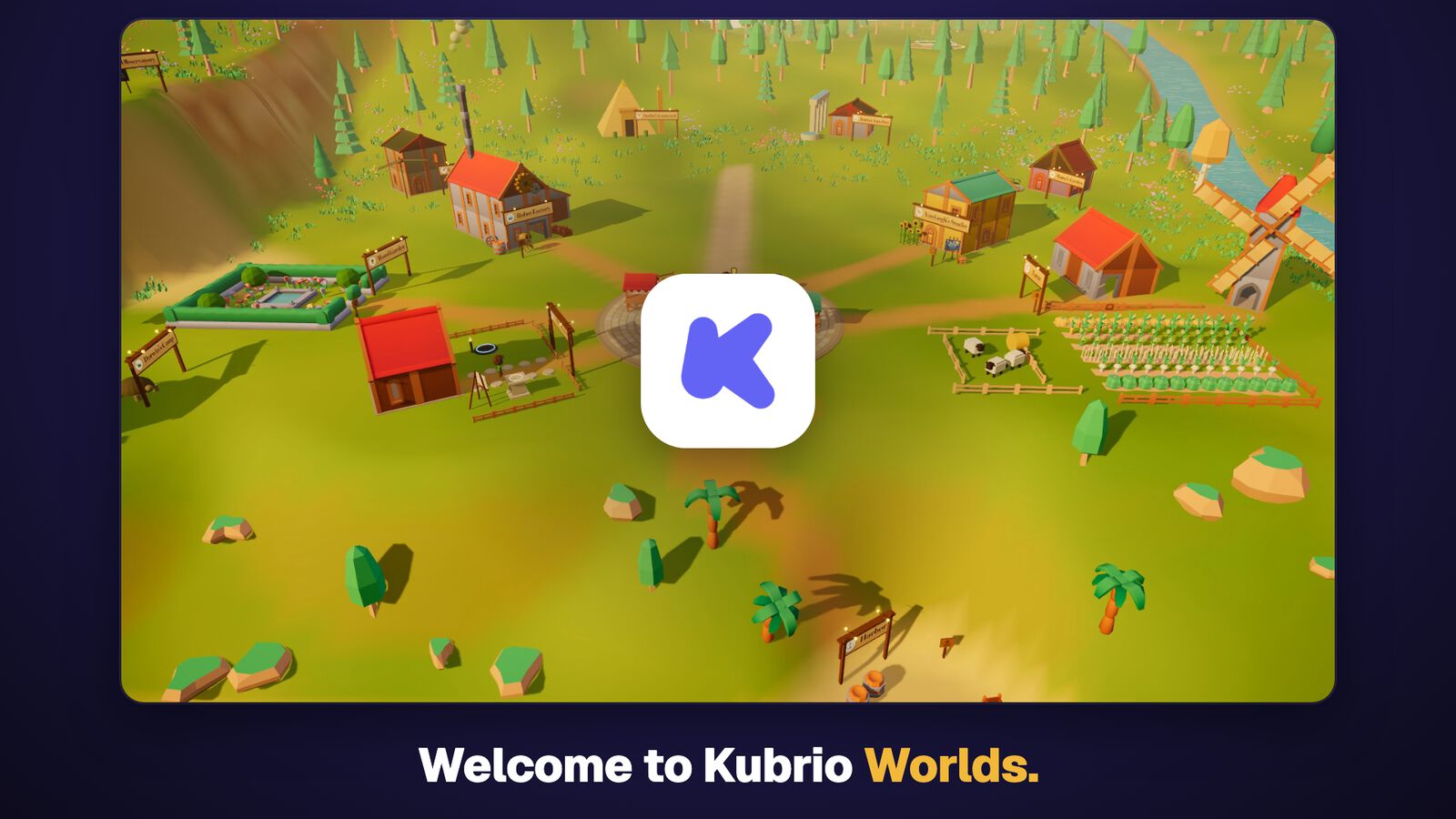 ▶ 1:45 tour
What your kid makes
Your kid ends with a six-box storyboard on paper: numbered wide boxes, a mix of far, middle, and close shots, a shot from above or below, arrows for what moves, and sounds and words under each box. The family acts it out at home, or films each box with a grown-up's phone.
- Ages
- 6 to 13
- Time
- 4 films, about 3 minutes, then 45–60 minutes of drawing and acting
- You need
- Paper and a pencil, family or friends to act it out, a grown-up's phone to film it (optional)
- Host
- Krea
The 4 lessons
Lesson 1. One box, one shot
A storyboard is the plan for a movie, drawn in boxes. Each box is one shot, drawn wide like a screen, with a quick drawing and a number.
- Turn a sheet sideways
- Draw six wide boxes, three on top and three below
- Leave a line under each box, and number the boxes
Where: Paper
Lesson 2. Far, middle, close
A far shot shows the place, a middle shot shows what the hero does, and a close shot shows how the hero feels. Start far, and go close when a feeling matters.
- Draw your hero far away
- Draw the hero again in the middle, then close up
- Write far, middle, or close under each box
Where: Paper
Lesson 3. Up, down, and arrows
From above, the hero looks small. From below, things look big. Arrows show what moves, and the line under each box holds sounds and words.
- Draw one box from above and one from below
- Add an arrow where something moves
- Write a sound or words underneath
Where: Paper
Lesson 4. Six boxes, one movie
Six boxes make a mini movie. To make it real, one person reads the notes while the others act out each box, or a grown-up's phone films each box.
- Storyboard your own six-box mini movie
- Read the notes while others act out each box
- Or film each box with a grown-up's phone
Where: At home
Take the quiz
Krea asks 3 questions about the films. Get 2 right and you finish the course.
Transcript
Lesson 1: One box, one shot
Before anyone films a movie, someone draws it in boxes. That's a storyboard. It's the plan for the whole movie!
Each box is one shot. A shot is what the camera sees, until the picture jumps to something new.
So draw your boxes wide, like a screen. A movie is wide, so your boxes should be too.
Keep the drawings quick. Stick figures, a line for the ground, a circle for the sun. Fast beats pretty!
Then number every box. Now anyone can follow your movie, one shot after another.
Your turn. Turn a sheet sideways. Draw six wide boxes, three on top and three below. Leave a line under each one, and number them.
Lesson 2: Far, middle, close
Movie makers don't film everything from the same spot. They pick how big things look. That's the shot size!
A far shot shows the whole place. The park, the trees, and our hero, tiny in the middle.
A middle shot comes closer. Now we see what she's doing. She's holding a ball, ready to kick!
A close shot fills the box with her face. Now we see how she feels. Uh oh. Worried!
Here's the trick. Start far, so people know where they are. Go close when a feeling matters.
Your turn. Draw your hero three times. Far away, in the middle, and close up. Write far, middle, or close under each box.
Lesson 3: Up, down, and arrows
Now let's move the camera! Where you put it changes how things feel.
Look from above, and the hero looks small. Down there, all alone.
Look from below, and things look big. That fence is suddenly huge!
Something moving? Draw an arrow. The ball flies over the fence. Zoom!
Arrows work for people too. Draw one where the hero runs, jumps, or turns around.
Then use the line under each box. Write what we hear. A sound, like bonk. Or words, like, where did it go?
Your turn. Draw one box from above, and one from below. Add an arrow where something moves. Write a sound or words underneath.
Lesson 4: Six boxes, one movie
Now put it all together. Six boxes make a mini movie!
Box one, far. A girl kicks her ball in the park. Box two, an arrow. It flies over the fence!
Box three, close. Oh no! Box four, from below. The fence is so tall.
Box five, a new face pops up on the other side. Box six, from above. Two friends, one ball.
Now make it real. One person reads the notes, and the others act out each box. Or film each box with a grown-up's phone.
Your turn. Storyboard your own six box mini movie, then act it out at home. You made your own storyboard!
Free guides to practise with
Questions parents ask
What is a storyboard?
A movie's plan, drawn as a row of boxes, one box per shot. Film makers draw one before filming, so everyone knows what the camera sees, in what order, and what you hear. Stick figures are fine: fast beats pretty.
Does my kid need a phone or a camera?
No. The films play on this page, and the storyboard is drawn on paper. In lesson 4, the family acts out the six boxes at home. Filming is optional: if your kid wants to film each box, a grown-up's phone does the job, and the grown-up stays in charge of it.
How is this different from writing a story?
A story says what happens. A storyboard says what the camera sees: how far away, from which angle, and what moves. Your kid can take a story already written and turn it into six boxes.