
Science experiments for kids
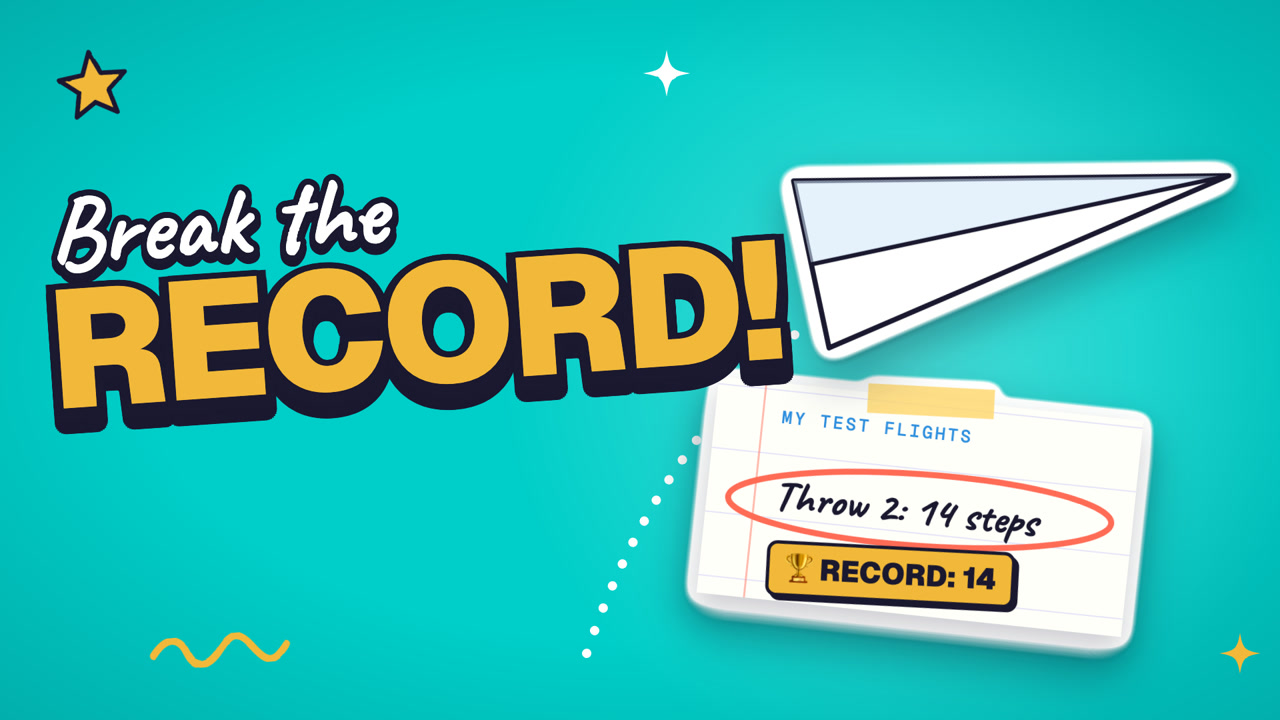
Good science experiments for kids end in something a kid can make and test. Fold a paper airplane, throw it, change one thing, and throw it again: guess, test, measure, change. Kubrio's short courses walk your kid through each experiment with a host, using paper, tape, and popsicle sticks.
Your kid builds it, tests it, and makes it better.
Learn
Short courses with a host. Each one ends with something your kid made.
For parents
Why it matters
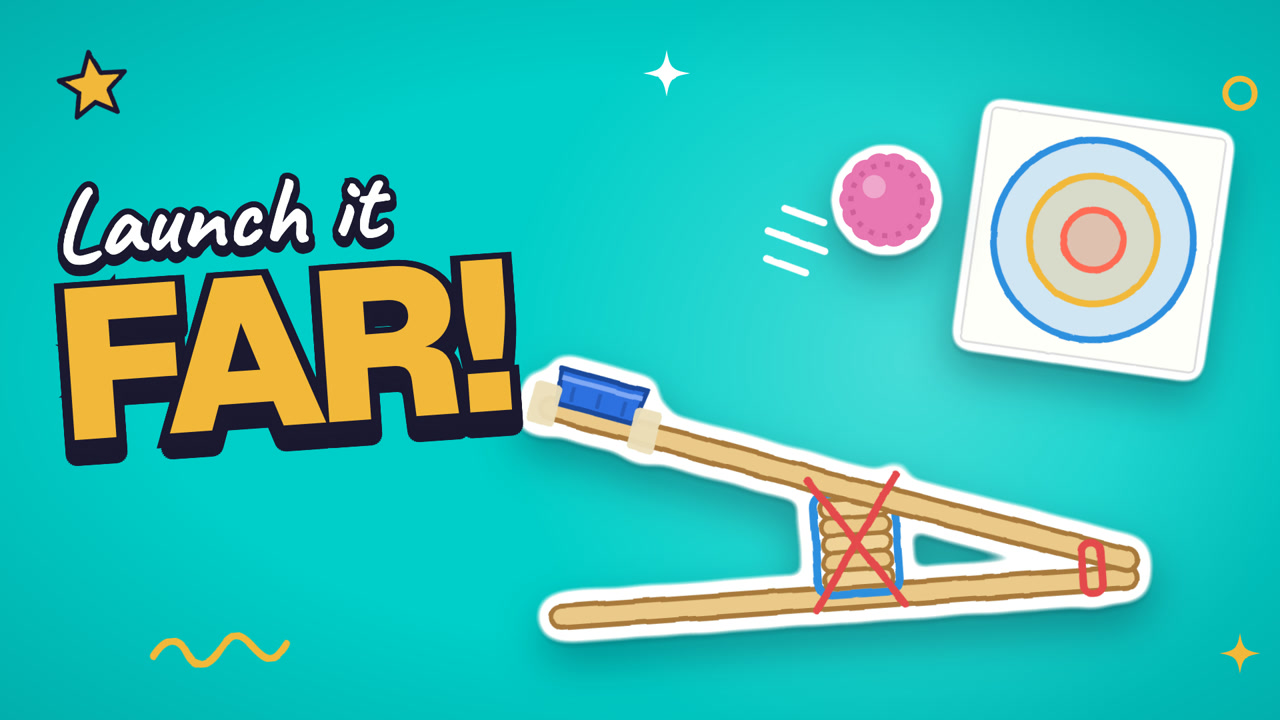
An experiment your kid builds teaches more than one they watch. When the catapult launches short, they have a real question to answer.
Changing one thing at a time and measuring what happens is a habit that works far beyond science.
Articles
Comparisons
Questions parents ask
- What age is these experiments for?
- Kids 6 to 13. Six-year-olds can fold, launch, and measure with a grown-up nearby. Kids 9 to 13 can run a fair test and write down what changed.
- What do we need?
- Simple materials: paper, tape, popsicle sticks, and rubber bands. Each course lists what you need.
- Is this safe to do at home?
- Yes. These experiments use paper, tape, and popsicle sticks, with no heat or chemicals. Stay nearby when things start flying across the room.