Animation classes for kids: what a good one teaches, when to start, and what to ask
By Kubrio Editorial Team. Reviewed by Vlad Stan, founder of Kubrio.
A good animation class for kids is one where your kid draws, makes those drawings move, and finishes a short film they can show someone, with a teacher who looks at the work and says what to try next. Most kids are ready around 7 or 8, once they can draw a character the same way twice, and a few free tries at home tell you whether a paid class is worth it. On kubrio.com, the free course How to animate is four one-minute films on timing, squash and stretch, getting ready to move, and easing in and out, so your kid can test the craft before you pay for anything.
What should a good animation class teach?
A good class teaches three things: how movement works, how to tell a story in a few seconds, and how to finish. Movement means timing (how many drawings an action takes), squash and stretch (a ball flattens when it lands), and anticipation (a character crouches before it jumps). Story means one character who wants one thing, told in a handful of shots. Finishing means the class ends with a film, not a folder of practice sheets.
Look at how the hours are spent, too. Hetland, Winner, Veenema, and Sheridan studied five high school studio art classrooms at two Boston-area schools for their 2007 book Studio Thinking, and found that good art teaching runs on a few repeating formats: a short demonstration, long stretches of students working while the teacher moves around the room, and critique, where the work goes up and the group talks about it. The 2013 second edition added exhibition, showing the work to an audience. That was teenagers in visual art, not kids in animation, but it is a useful test for any class: a short demo, most of the time making, and a talk about the work at the end.
Ask to see films from a past session. If every kid's film looks the same, the class taught a template. If the films are different and a little rough, the kids made them.
What's the best age to start animation classes?
Most kids can start a real animation class at 7 or 8, and a flipbook works earlier. The limit is drawing control, not interest. Long, Fan, and colleagues (2024) collected 37,770 drawings from 8,084 children aged 2 to 10 at a children's museum and found that "children's drawings steadily increased in recognizability with age." Animation asks a kid to draw the same character many times with small changes, and that gets easier every year.
Here's a rough guide by age:
- Ages 5 to 6: flipbooks and toy stop-motion at home, with you. A class is fine if it's mostly play.
- Ages 7 to 9: a beginner class that covers flipbooks, stop-motion, and a simple character moving across the screen. One short film by the end.
- Ages 10 to 13: a class on frame-by-frame drawing software, walk cycles, and lip sync, or a longer project with a storyboard and sound. Kids this age can handle feedback on their own work.
If your kid is younger than the class's minimum age, wait a term and make flipbooks at home in the meantime.
Is an in-person, online, or at-home animation class better?
It depends on what your kid needs most: in person for feedback and friends, online for range and schedule, and at home for kids who want to try before they commit. Each one has a real trade-off.
In person (art centers, community colleges, museum programs, summer camps): your kid sits next to other kids who are making films, and a teacher can see the drawing in their hand and fix the grip or the timing on the spot. The cost is travel, a fixed schedule, and a smaller choice of topics.
Online, live (small video classes): more choice of topics and teachers, and your kid can take a stop-motion class one month and a drawing-software class the next. Check the group size. In a big group, the teacher can't look at everyone's screen, and the class turns into a lecture.
Online, recorded (video courses): the most flexible and the cheapest, but no one looks at the work. That suits a self-starter who already finishes things. It doesn't suit a kid who needs a nudge.
At home, with free material: the best place to find out whether your kid likes animation at all. The free Make a flipbook course on kubrio.com has four short films and needs only paper and a pencil.
Kubrio Worlds · Ages 6–12
Let your kid explore the new worlds.
A 3D village where kids paint with Vincent van Gogh, launch rockets, and run a farm. Every world teaches something useful, with quizzes and things to make. You set the screen time.
3 days free, then $49 $19 a month per kid.
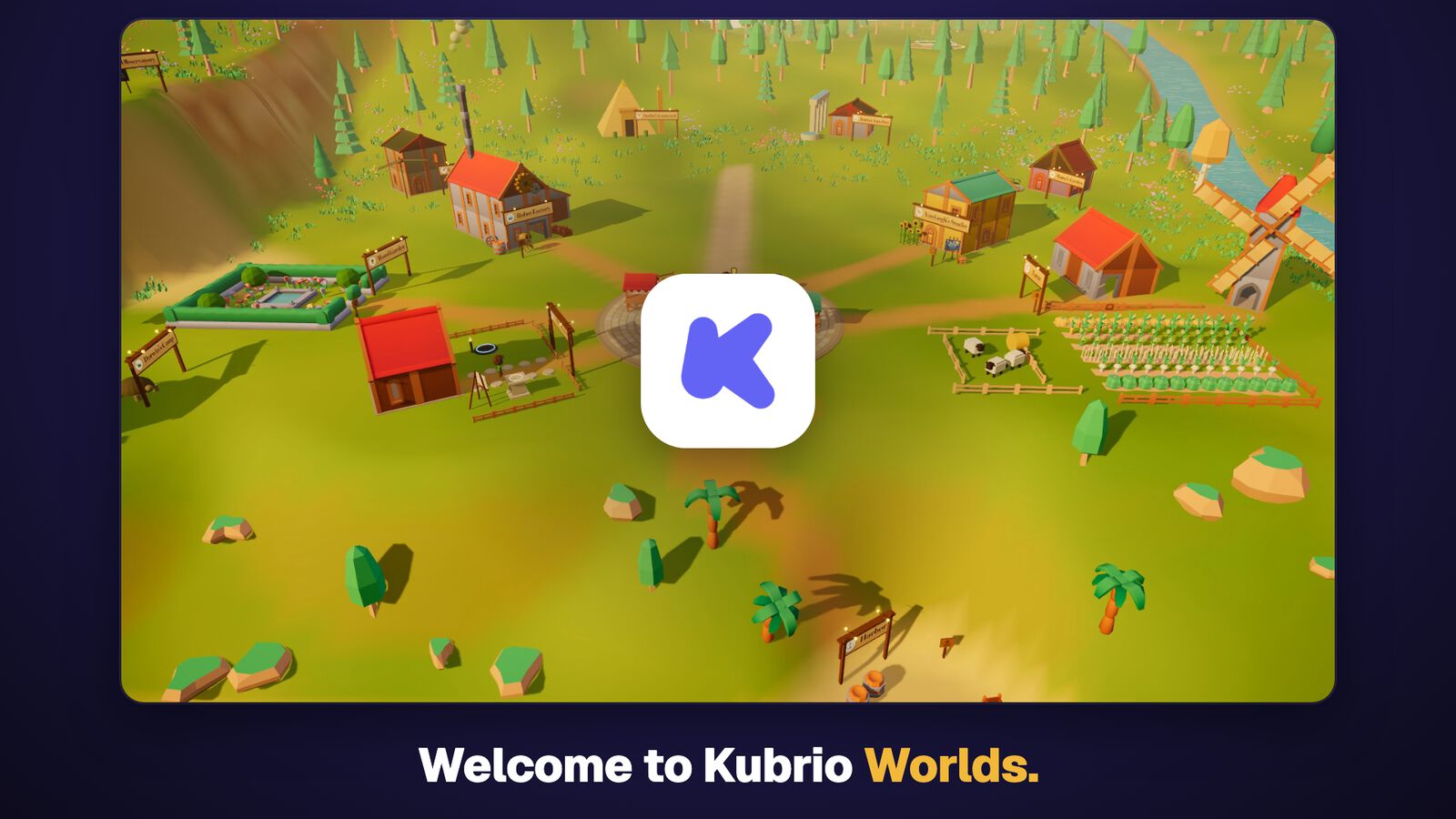 ▶ 1:45 tour
What questions should you ask before paying for an animation class?
Ask what your kid will have made by the last session, and how much of each session your kid spends making it. Those two answers tell you more than the syllabus. Then ask:
- What does a kid finish? A 10-second film, a flipbook, a walk cycle? You want a named thing.
- How many kids per teacher? Small groups get feedback. Big ones get a demo.
- What software or materials, and do we need to buy them? Many beginner classes use free software or paper. Make sure your device can run what they use.
- Can I see films from past students? Different-looking films mean the kids made the choices.
- What happens when a kid is stuck? Listen for a teacher who asks questions, not one who draws it for them.
- Is there a showing at the end? A screening for families, even on a video call, gives kids a deadline and an audience.
Be careful with classes built around badges, levels, and certificates. Lepper, Greene, and Nisbett (1973) worked with 51 preschoolers who already liked drawing with markers. The kids who drew because they were promised a "Good Player" certificate drew less on their own a week or two later than kids who got no award or a surprise one. Later reviews found the effect depends on the setting, and it doesn't mean rewards are bad. It does mean the film itself should be the prize.
Is an animation class worth it if my kid mostly watches cartoons?
Yes, often, because watching and making are different hobbies, and most kids only do the first. The 2021 Common Sense census of 8- to 18-year-olds found that on any given day, 11% of tweens and 13% of teens used a device to make art or music, and that tweens averaged about seven minutes a day on it. A kid who loves cartoons has spent hours learning what good timing feels like. A class gives them a reason to use that.
It's not worth it if your kid wants to draw characters but has no interest in making them move. In that case, a drawing class or character design comes first. The Invent a character course is a free place to start.
Where does Kubrio fit, and where doesn't it?
Kubrio is not an animation class. There's no teacher watching your kid's pencil, and it doesn't teach frame-by-frame drawing on a tablet. If your kid wants to become an animator who draws every frame, a class with a live teacher is the better choice.
What Kubrio does is the other half: the story and the finish. In Animation Studio, your kid draws the star on paper, tells a three-scene story, fixes the storyboard that Tek, the studio's AI producer, sets up, gives each scene one line, and keeps or reshoots each take. A short is 45 seconds and takes about an hour in one sitting. The AI shoots the scenes your kid planned, and never picks the story. It pairs well with a class: the class builds the craft, and the studio gives your kid a finished film between sessions.
What to do at home this week
- Watch the four films in How to animate together, about four minutes in all, and try the quiz at the end.
- Make a flipbook from a stack of sticky notes: a ball that drops and bounces. Ten notes is enough.
- Ask your kid which part they liked: drawing, making it move, or the story. That answer tells you which class to look for.
- Look up two classes near you and one online. Ask each one the six questions above.
- If your kid wants more before you decide, have them draw one character on paper and make a 45-second short in Animation Studio.
- Sign up for the one where your kid will finish a film and someone will look at it.
FAQ
What age is best for animation classes? Most kids are ready for a real class at 7 or 8, once they can draw the same character twice. Younger kids do well with flipbooks and toy stop-motion at home. By 10 to 13, kids can handle drawing software, walk cycles, and feedback on their work.
Are online animation classes for kids any good? Live online classes can be very good if the group is small and the teacher looks at each kid's work. Recorded courses suit kids who already finish projects on their own. Ask how many kids are in each live session before you sign up.
What software do kids use in animation classes? It depends on the class. Many beginner classes start with paper, flipbooks, or stop-motion with a phone, and older kids move to frame-by-frame drawing apps. Ask before you sign up so you know whether your device can run it.
Does my kid need to be good at drawing to take an animation class? No. Stop-motion and cut-out animation need no drawing skill at all, and a simple character moves just as well as a detailed one. Drawing does get easier with age, so a younger kid's rough character is normal.
Can my kid learn animation for free first? Yes. A sticky-note flipbook costs nothing, and the free courses How to animate and Make a flipbook on kubrio.com play all their films with no account. Try those for a week and see whether your kid asks for more.